Denver ADU Rules: What Homeowners Should Know
November 21, 2025
November 21, 2025
Thinking about building a backyard cottage, finishing a basement, or converting a garage in Denver? You’re not alone. ADUs can add flexibility for family, rental income, or future resale value, but the rules feel complex when you first start. In this guide, you’ll learn what counts as an ADU, how to check if your lot qualifies, the permit process, costs, timelines, and the common pitfalls to avoid. Let’s dive in.
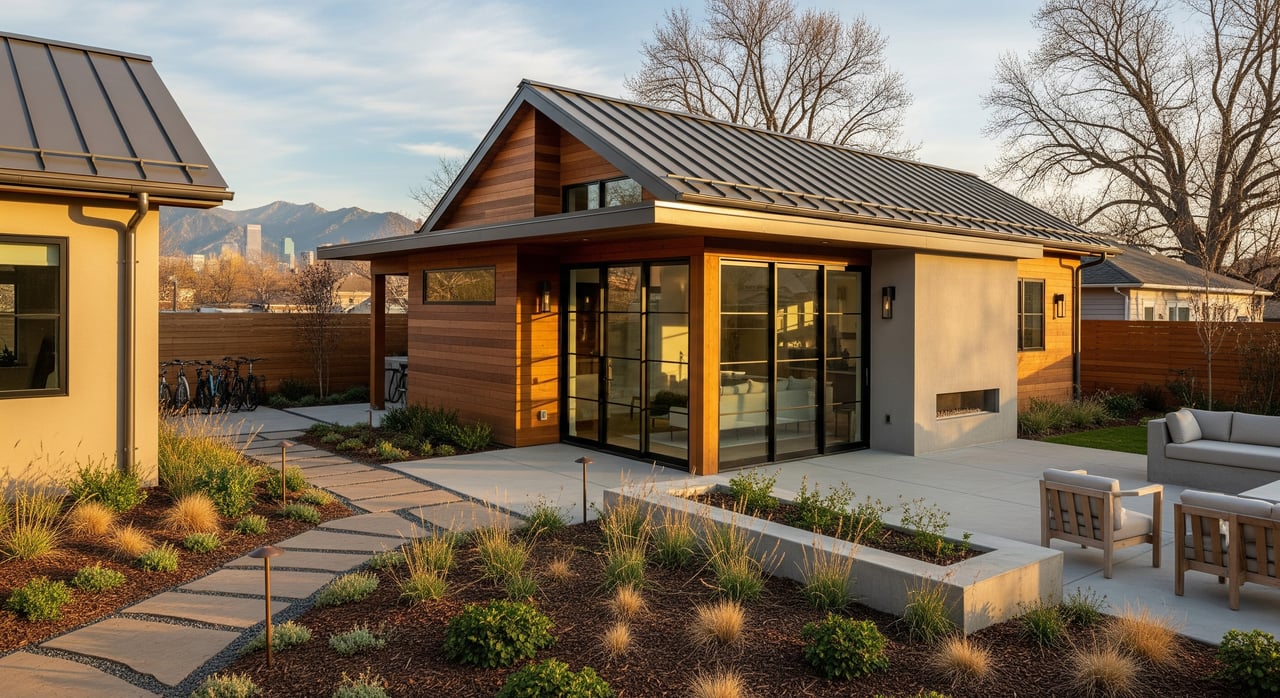
An accessory dwelling unit is a second, smaller home on the same lot as a primary single‑family house. You might create it by finishing an interior space, building over a garage, or constructing a small detached home in the backyard. The key is that it remains an accessory use to the main house, not a separate parcel.
Common ADU types you might consider:
Each type has different zoning, setback, height, and utility implications, so start with feasibility before you design.
Zoning determines if ADUs are allowed, allowed with conditions, or not allowed. Your first step is to confirm your parcel’s zoning and standards with Denver’s Community Planning and Development staff. Ask about ADU permissibility, maximum size, height, setbacks, and parking for your specific zone. Written verification helps you avoid surprises during plan review.
If your property sits in a designated historic or landmark district, expect additional design review. Materials, rooflines, massing, and placement often face stricter standards. Plan extra time for approvals and be ready to adjust the design so it fits the district’s guidelines.
City rules are not the only rules. Many HOAs and private covenants restrict or prohibit ADUs. Review your CC&Rs carefully and, if needed, consult the HOA or an attorney before you invest in plans. Getting written approval early can save you costly redesigns.
Local code sets maximum floor area, height limits for detached units, and required setbacks from property lines. Some standards scale with lot size or the size of your primary home. Confirm these numbers for your parcel so your architect can design within the buildable envelope.
Some zones require an off‑street parking space for an ADU, and others waive it in certain areas or for smaller units. Ask the city about current parking requirements for your zone and whether proximity to transit changes the requirement.
Owner‑occupancy rules vary by city and sometimes by zone. Confirm whether you must live on site to maintain an ADU and whether long‑term rentals are treated differently from short‑term rentals. If you plan any short‑term use, understand that separate licensing and rules apply.
Utility questions can make or break budget. Ask about water and sewer tap fees, capacity upgrades, and whether a separate electric or gas meter is required for a detached unit. These costs can be significant, so get early guidance from local utilities and the city.
Even a simple conversion must meet habitability standards. Expect requirements for egress windows, ceiling heights, insulation, fire separation, and proper HVAC, plumbing, and electrical. A qualified architect or contractor can design to code and help you pass inspections the first time.
If your design does not meet a standard, you may need a variance or special exception. Changes to driveways or curb cuts can trigger right‑of‑way permits, so flag those early.
Timelines vary with scope and review volume. Conceptual zoning checks can take days to weeks. Preparing full plan sets typically takes 2 to 8 or more weeks. Plan review and permits often take 4 to 12 or more weeks. Interior conversions can build out in a few weeks to a few months, while a new detached ADU commonly takes several months. Historic review and variances add time.
Plan for both hard and soft costs:
Costs vary by scope and Denver labor and materials. As a rough national context, interior conversions can range from tens of thousands into the low six figures. Detached new ADUs more often land in the mid five‑figures to the low six‑figures, and can exceed that with larger footprints or higher finishes. Treat these as starting points and get local contractor bids for accuracy.
Homeowners commonly use cash, a home equity loan or HELOC, a cash‑out refinance, or a construction loan. Some lenders offer home improvement products that fit smaller conversions. If you plan to offer below‑market rents or meet specific criteria, watch for local or state incentives that may support ADUs.
Adding livable square footage usually increases assessed value and property taxes. The Denver Assessor will reassess after improvements, so contact the office to understand timing and impact. A tax advisor can help you plan for deductions and depreciation if you rent the unit.
If you plan to rent long‑term, study local rents and vacancy trends for your neighborhood and unit size. If you are considering short‑term rentals, you must follow Denver’s short‑term rental rules and licensing through the city’s Excise and Licenses department. Always verify current requirements before listing.
Notify your insurance carrier before construction and when you complete the ADU. You may need a landlord policy or additional liability coverage, especially if renting the unit.
The fix: confirm zoning in writing, loop in the city and utilities early, work with an architect who knows Denver codes, and keep a realistic budget cushion.
Building an ADU in Denver can be a smart move for flexibility and long‑term value when you follow the right steps. If you want help choosing the right property for an ADU, estimating resale impact, or weighing rental scenarios, reach out. You will get practical guidance from search to closing and beyond with Sarah Sells Denver.
Stay up to date on the latest real estate trends.
I'm here to make sure that your real estate experience is as rewarding as it is fun. Let's embark on this adventure together and turn your property dreams into reality, with a sprinkle of joy and a whole lot of expertise.