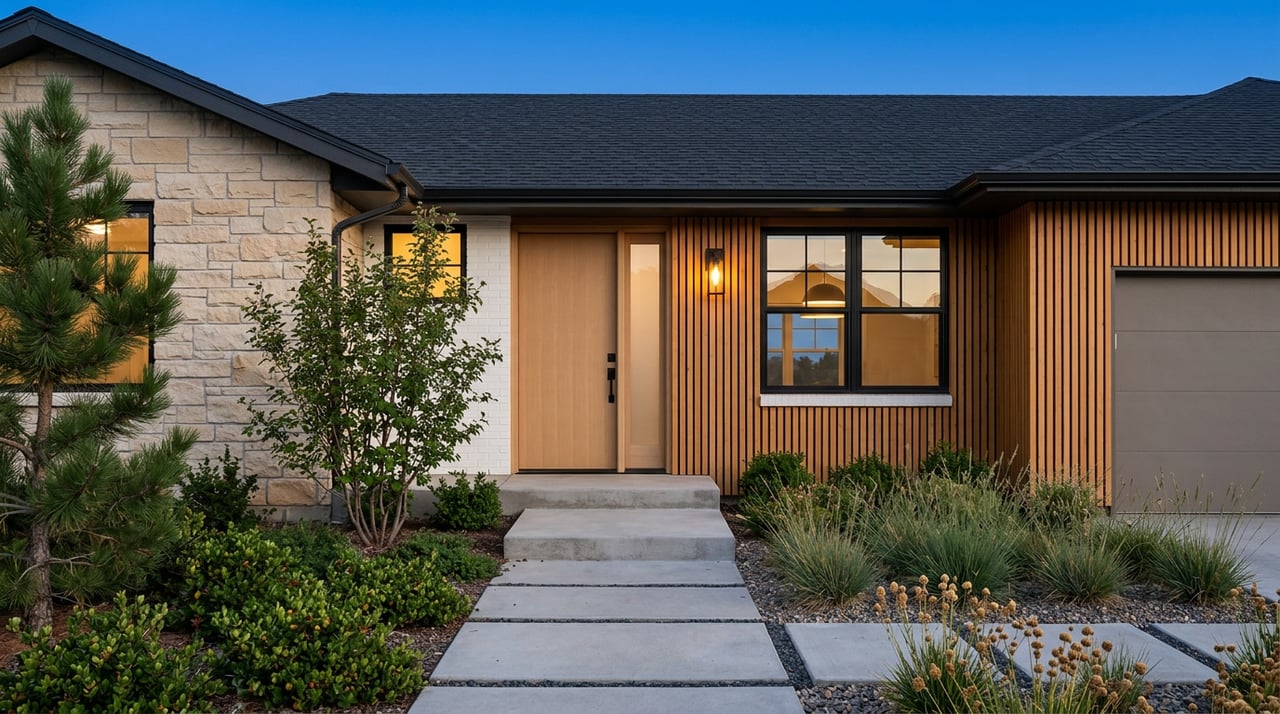
Living In Boulder: Outdoor Life, Culture, And Homes
March 5, 2026
March 5, 2026
Craving a life where a mountain trail, a museum, and a great dinner are all in your daily orbit? If Boulder has been on your mind, you’re not alone. You want real outdoor access, a lively but relaxed downtown, and a housing plan that makes sense. This guide will walk you through Boulder’s outdoors, culture, neighborhoods, prices, and practical next steps so you can decide if living here fits your goals. Let’s dive in.
Boulder is a mid-sized city with an estimated population of about 106,800 as of 2024, according to the U.S. Census. You feel the energy of a university town plus the calm of a mountain gateway. The city sits at the foothills of the Rockies at roughly 5,300 feet, so you get strong sun, crisp nights, and true four-season living. CU Boulder adds events and research buzz, while the foothills set the rhythm for daily adventure.
Boulder protects open space at a scale you feel in your everyday routine. The City’s Open Space and Mountain Parks program stewards over 46,000 acres and maintains about 155 miles of developed trails. This long-term investment preserves a natural buffer around town, which is a big reason you can live near a trailhead yet still walk to coffee. OSMP also prioritizes stewardship and climate resilience, so the system you enjoy today is being cared for future use.
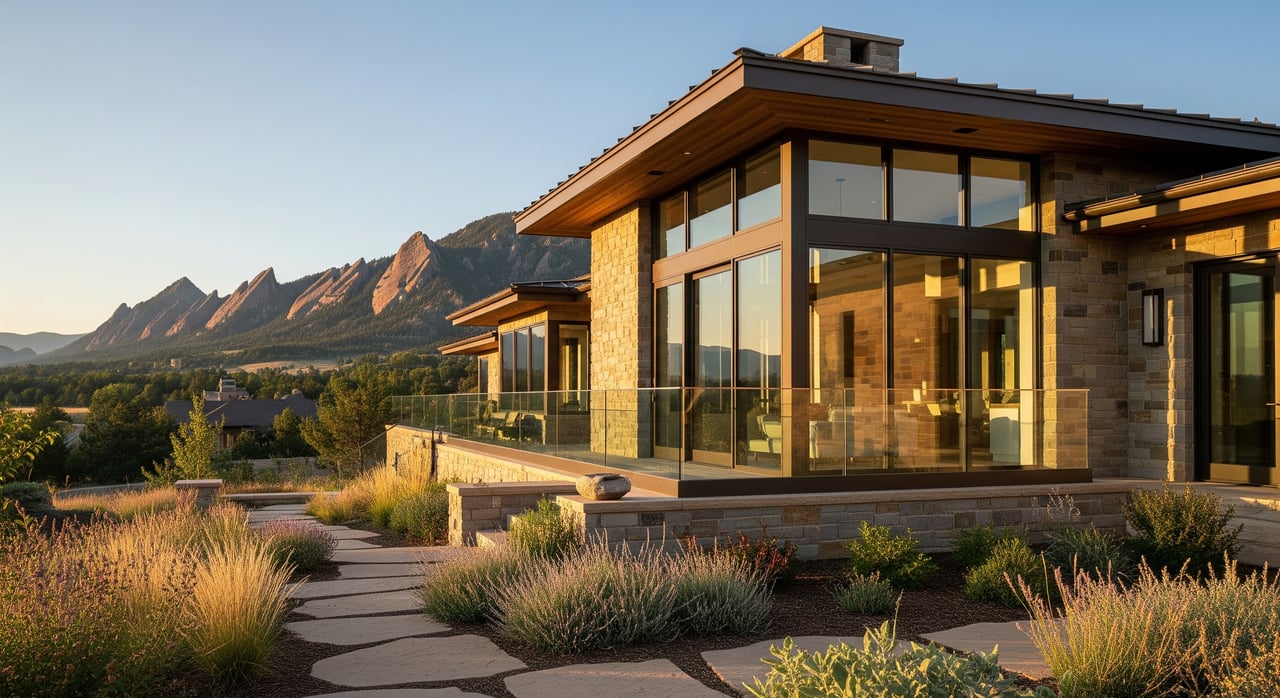
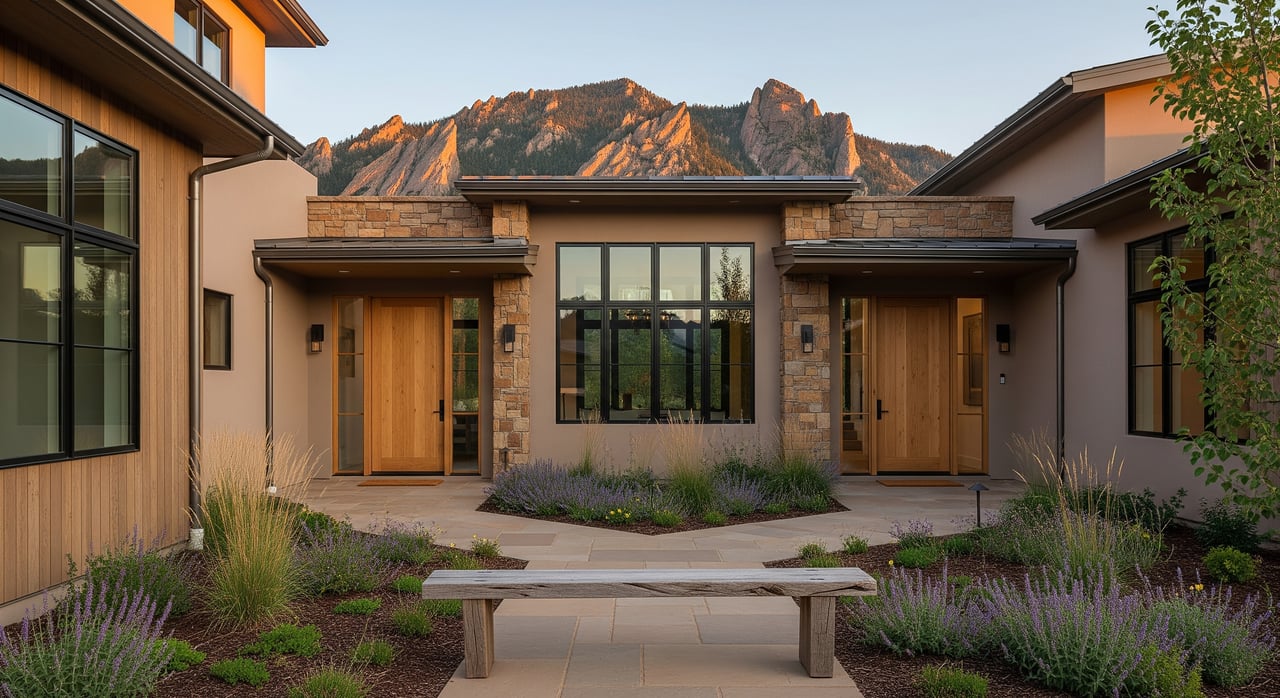
The Chautauqua and Flatirons area offers classic hikes with views that define Boulder’s skyline. From several neighborhoods you can lace up and be on single-track in minutes. Mapleton Hill, Newlands, parts of North Boulder, and South Boulder each have connectors to open space, which helps explain the premium for homes that back up to the foothills. For a sense of how neighborhoods sit against the trails and downtown, explore this local overview of Boulder’s districts.
Boulder’s paved paths, including the Boulder Creek Path, make biking and walking part of daily life. Many residents use these routes for short commutes or lunchtime runs, not just weekend rides. The city’s stewardship work also supports safer recreation by managing fuels, educating trail users, and planning for a resilient open space system.
Boulder’s walkable downtown centers on the Pearl Street Mall, a pedestrian stretch with independent shops, patio dining, and live street performers. It is where locals meet for happy hour, date night, and Saturday errands. Seasonal events, including a bustling farmers market and summer music, keep the calendar full and the sidewalks lively.
Boulder’s arts scene is compact and walkable. The Boulder Museum of Contemporary Art (BMoCA) hosts rotating exhibitions, First Friday events, and family programming steps from the creek path. Small theaters and music venues add to a calendar that feels busy without feeling busy-city.
Boulder blends chef-driven dining with an everyday, farm-to-table style. You can find global flavors, patio breakfasts, and local favorites like the Dushanbe Teahouse. The city also appears in curated roundups of restaurants recognized for quality, which reflects a scene that is both national in reputation and neighborhood in feel.
Boulder is an expensive market by national standards. Recent snapshots showed typical home values in the high 800,000s to near 1 million for the city overall, and homes in foothills-adjacent neighborhoods often sell well above 1 million. Inventory is limited due to the open space buffer and policy choices that favor preservation, so new housing often comes from infill and redevelopment rather than wide new subdivisions. Exact numbers shift month to month, so plan on getting a fresh data read when you are ready to tour.
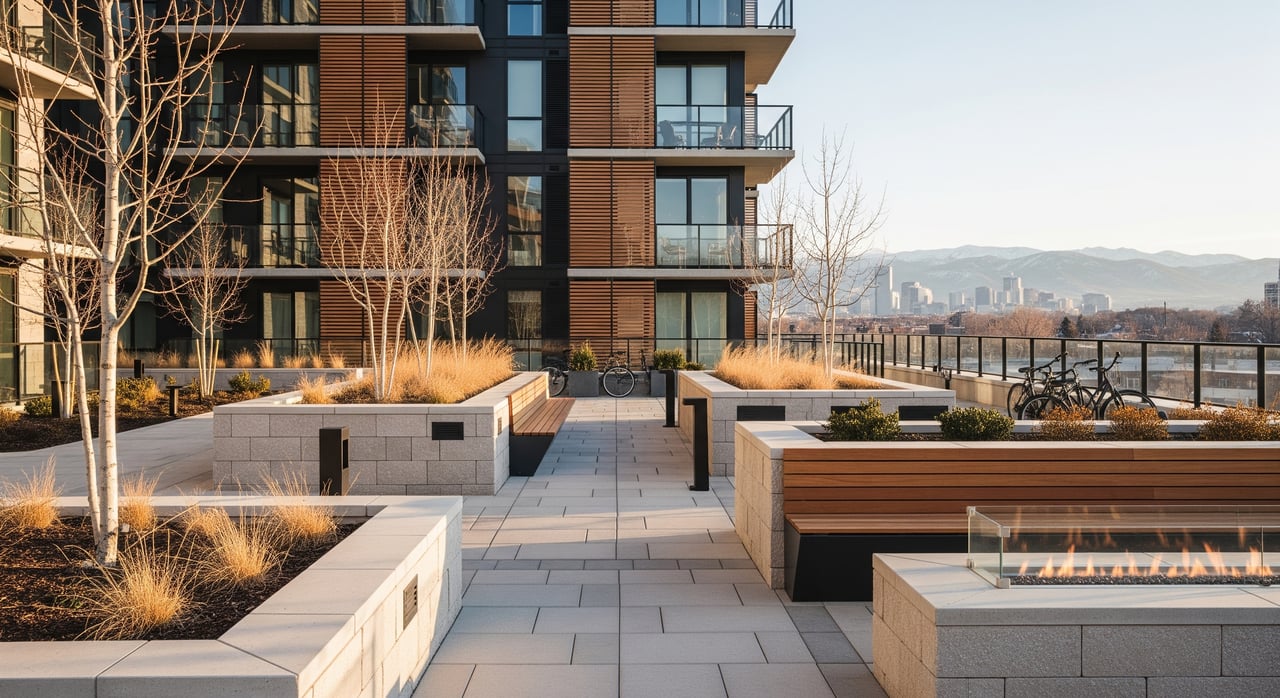
If you want a car-light lifestyle, Downtown and University Hill pack the most you-can-walk-to options. You will see condos, townhomes, and small-lot houses near shops, restaurants, and transit. The tradeoff is space and parking, which can be tighter in the core.
North of downtown, Mapleton Hill and Newlands offer tree-lined streets, front porches, and quick access to trailheads and Pearl Street. Many homes are older with character details, and the foothill backdrop is part of the appeal. Expect strong demand due to location and neighborhood charm.
South Boulder has single-family homes and parks with convenient access to the US 36 corridor. Homes here sit near trail networks and community amenities. For any move based on school boundaries, check attendance maps directly with the district rather than relying on hearsay.
North Boulder mixes established blocks, newer townhomes, and access to open space. Gunbarrel, to the northeast, feels more suburban and can offer more house or yard for the price compared with foothills-proximate neighborhoods. If you want a quiet residential setting with trail and park access, these areas are worth a look.
Boulder sits roughly 25 miles northwest of Denver, so commuting is common in both directions. Driving on US 36 is the norm for many, and you have a reliable bus option with RTD’s Flatiron Flyer, which runs frequent express service between the two cities. Inside Boulder, the paved path network and local buses make short trips easy without a car.
At about 5,300 feet, you will notice strong sun, lower humidity, and bigger swings between day and night temperatures. Winters bring snow, but many days are sunny and dry, and shoulder seasons are popular for hiking and biking. Because Boulder borders wildland areas, the city invests in fuels management and education, and buyers near the foothills should look into defensible space and insurance.
If you want a city where you can walk to dinner, ride a path along the creek, and be at a trailhead in minutes, Boulder delivers. The culture is lively, the outdoors are right there, and the housing market rewards clarity and speed. When you are ready to explore neighborhoods, pricing, and strategy, connect with a local partner who can keep the process calm and focused. Reach out to Sarah Sells Denver to talk through your goals and map a plan that fits your lifestyle and budget.
Stay up to date on the latest real estate trends.
I'm here to make sure that your real estate experience is as rewarding as it is fun. Let's embark on this adventure together and turn your property dreams into reality, with a sprinkle of joy and a whole lot of expertise.